gbs
gbs March 5, 2024
 March 5, 2024
Alfredo Di Stéfano
March 5, 2024
Alfredo Di Stéfano

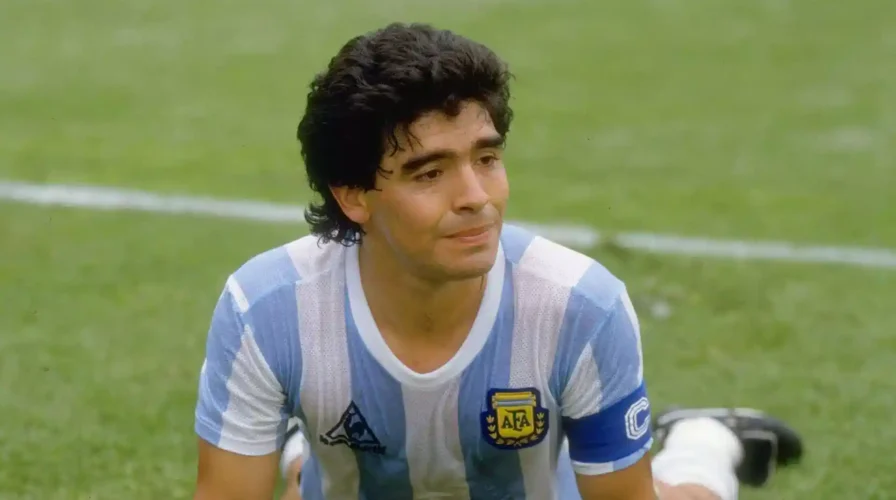
Diego Maradona was an iconic Argentine footballer, widely regarded as one of the greatest players in the history of the sport. Born on October 30, 1960, in Villa Fiorito, Buenos Aires, Argentina, Maradona’s combination of skill, passion, and charisma captivated fans worldwide. Known for his exceptional dribbling, vision, and creativity, Maradona played primarily as an attacking midfielder or forward and is remembered for his incredible achievements, as well as his larger-than-life personality.
Career Highlights
- Club Career:
- Argentinos Juniors (1976–1981): Maradona started his professional career with Argentinos Juniors, scoring an impressive 115 goals in 167 appearances and quickly establishing himself as one of Argentina’s top young talents.
- Boca Juniors (1981–1982, 1995–1997): Maradona played two spells at Boca Juniors, helping them win the Argentine Primera División in his first season. His passion for Boca cemented a lifelong connection with the club and its fans.
- Barcelona (1982–1984): After a successful World Cup in 1982, Maradona joined Barcelona for a then-world record fee. Though he showed flashes of brilliance, his time in Barcelona was plagued by injuries and controversies, and he left after two years.
- Napoli (1984–1991): Maradona’s most legendary club spell was at Napoli in Italy, where he became a hero and transformed the club. He led Napoli to their first-ever Serie A title in 1987, followed by a second in 1990. Maradona also won the UEFA Cup in 1989, and his time at Napoli elevated him to godlike status among fans, who still celebrate him as an eternal figure in the city.
- Later Years: Maradona had shorter stints with Sevilla, Newell’s Old Boys, and a final return to Boca Juniors before retiring in 1997.
- International Career:
- Maradona made 91 appearances and scored 34 goals for the Argentina national team from 1977 to 1994.
- 1986 FIFA World Cup: Maradona’s crowning achievement came at the 1986 World Cup in Mexico, where he led Argentina to victory. His performances were extraordinary, including his famous “Goal of the Century” against England, where he dribbled past five players to score. The same match also saw his infamous “Hand of God” goal, where he used his hand to score, describing it as “a little with the head of Maradona and a little with the hand of God.”
- 1990 FIFA World Cup: Maradona again carried Argentina to the final, although they were defeated by West Germany in a hard-fought match.
- 1994 FIFA World Cup: Maradona’s international career ended controversially when he tested positive for a banned substance and was suspended during the 1994 World Cup in the U.S.
- Playing Style:
- Maradona was known for his extraordinary dribbling ability, balance, and ball control, often able to beat multiple defenders effortlessly. His creativity and vision on the field allowed him to make incredible passes and score spectacular goals.
- He was renowned for his resilience and courage, often taking on physical challenges from opponents, especially since he was frequently fouled and targeted by defenders.
- Though not physically imposing, his low center of gravity gave him incredible stability and agility, which made him almost impossible to knock off the ball.
- Accolades:
- Maradona’s 1986 World Cup performances are often considered the greatest display by an individual in a single World Cup.
- He won numerous domestic and international awards, including Serie A titles and a UEFA Cup with Napoli.
- Recognized alongside Pelé as one of FIFA’s Players of the 20th Century, Maradona’s influence on football is immeasurable, with his name celebrated worldwide.
- Legacy and Impact
- Maradona’s impact extends far beyond his trophies. He inspired generations of fans, especially in Argentina and Naples, where he became a symbol of pride and passion. His life, marked by both triumph and struggle, is a reminder of the human aspect of sports.
- His nickname “El Pibe de Oro” (The Golden Boy) reflects the wonder and brilliance he brought to the game, while his journey highlights the intensity and challenges of life in the spotlight.
- Post-Playing Career and Later Life
- After retiring, Maradona worked as a manager, coaching the Argentina national team from 2008 to 2010, including during the 2010 World Cup.
- He managed clubs in Argentina, the UAE, and Mexico, and his influence remained strong in the world of football.
- Personal Challenges and Untimely Passing
- Maradona’s life was marked by health and personal struggles, including addiction, which affected both his career and personal life.
- He passed away on November 25, 2020, at the age of 60, after suffering a heart attack. His death was met with an outpouring of grief worldwide, especially in Argentina and Naples, where he is regarded as an eternal football legend.
Legacy
Diego Maradona is celebrated as one of the greatest, most unique talents football has ever seen. His spirit, skill, and passion for the game left an indelible mark, making him a symbol of hope and inspiration for fans worldwide. His life story is a remarkable blend of triumph and tragedy, forever enshrining him as an unforgettable figure in football history.
 March 5, 2024
Alfredo Di Stéfano
March 5, 2024
Juan Román Riquelme
March 5, 2024
Alfredo Di Stéfano
March 5, 2024
Juan Román Riquelme

Popular Legends



Categories

Football live score and World Most Famous Players in Football History!