gbs
gbs November 22, 2024
 November 22, 2024
Giacinto Facchetti
November 22, 2024
Giacinto Facchetti

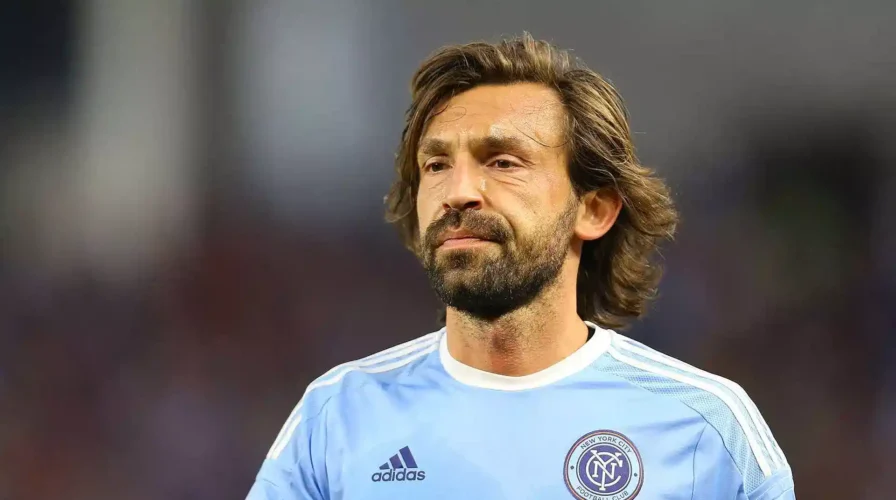
Andrea Pirlo: Maestro of the Midfield
Andrea Pirlo, an iconic figure in the world of football, is celebrated for his exceptional vision, composure, and technical prowess on the field. Often referred to as a “maestro,” Pirlo’s career is a testament to his influence and mastery in the art of playmaking.
Early Life and Career Beginnings
Born on May 19, 1979, in Flero, Italy, Pirlo began his footballing journey at a young age. He demonstrated remarkable talent, which led to his early debut in professional football with Brescia Calcio in 1995. His performances quickly caught the attention of larger clubs, and in 1998, he moved to Inter Milan.
Rise to Stardom
Although his time at Inter Milan was challenging, Pirlo’s move to AC Milan in 2001 marked a turning point in his career. Under the guidance of coach Carlo Ancelotti, Pirlo was transformed into a deep-lying playmaker, a role that allowed him to utilize his exceptional passing ability and vision.
During his time with AC Milan, Pirlo won numerous titles, including two UEFA Champions League titles (2003, 2007) and two Serie A titles (2004, 2011). His ability to control the tempo of the game and deliver precise passes made him an indispensable part of the team.
International Success
Pirlo’s influence extended beyond club football to the international stage. He was a key player for the Italian national team, earning over 100 caps. His most significant achievement came in 2006 when Italy won the FIFA World Cup. Pirlo played a pivotal role throughout the tournament, highlighted by his performances in the semi-final against Germany and the final against France.
Juventus and Later Career
In 2011, Pirlo joined Juventus, where he continued to showcase his brilliance. His time at Juventus was marked by success, with the club winning four consecutive Serie A titles (2012-2015) during his tenure. Pirlo’s leadership and expertise were instrumental in revitalizing the team and establishing them as a dominant force in Italian football.
In 2015, Pirlo moved to Major League Soccer (MLS) to play for New York City FC, where he spent two years before retiring in 2017. His presence in MLS helped raise the profile of the league and inspired a new generation of players.
Legacy and Impact
Andrea Pirlo’s legacy in football is defined by his unique style of play and his ability to influence the game with elegance and intelligence. Known for his calm demeanor on the ball, Pirlo was a master of the “long ball” and free-kick specialist. His autobiography, “I Think Therefore I Play,” gives insight into his philosophical approach to football and life.
Pirlo’s contributions to the game have left a lasting impact, inspiring countless young players to emulate his style and approach. His journey from a young talent in Brescia to a world-renowned football maestro serves as an inspiration for aspiring athletes worldwide.
TAGS:
Andrea Pirlo November 22, 2024
Giacinto Facchetti
November 22, 2024
Fabio Cannavaro
November 22, 2024
Giacinto Facchetti
November 22, 2024
Fabio Cannavaro


Popular Legends



Categories

Football live score and World Most Famous Players in Football History!